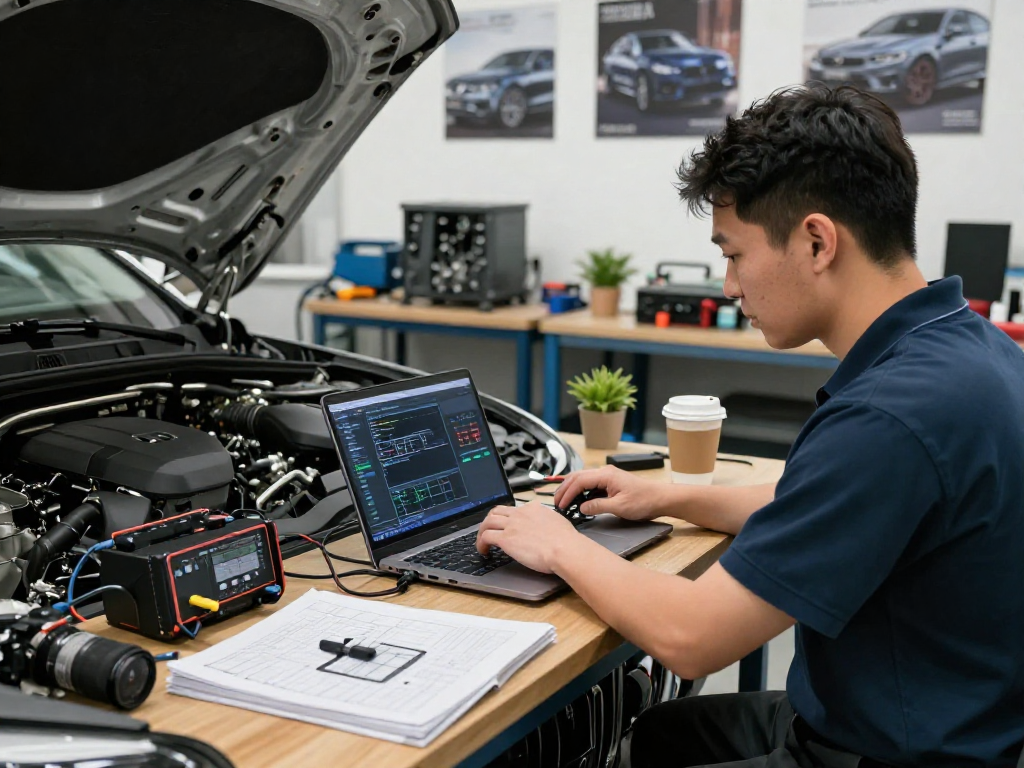
Understanding Your Needs When You Buy a Car
Buying a car is a significant investment that requires careful consideration and planning. It’s essential to understand your personal needs and situation before diving into the car market. Knowing what you need will help you make informed decisions that align with your lifestyle and budget. One of the first steps is to Buy a car that suits you. Below, we discuss how to define your budget, vehicle preferences, and crucial features.
Defining Your Budget
Establishing a budget is crucial as it sets the foundation for the entire car buying process. Start by assessing your financial situation, including income, savings, and ongoing expenses. It’s advisable to follow the 20/4/10 rule: Aim to make a 20% down payment, choose a loan term of no more than four years, and keep your total monthly vehicle expenses (including insurance, gas, and maintenance) under 10% of your monthly income.
Consider additional costs such as sales tax, title fees, and registration, as these can significantly impact your budget. Additionally, remember to factor in the cost of insurance, maintenance, and potential repairs when making your calculations. Understanding your financial limitations helps to narrow down your options from the outset.
Identifying Vehicle Type Preferences
Next, you must determine what type of vehicle best meets your needs. Consider factors such as size, capacity, and purpose. Are you looking for a sedan for daily commuting, an SUV for family trips, or perhaps a compact car for city driving? List out your requirements based on your lifestyle. If you primarily drive in the city, a smaller car might be ideal, while larger vehicles may be necessary for families or those who travel frequently.
Other niché preferences also come into play. For instance, you may prefer a hybrid vehicle for better fuel efficiency or a sports model for speed. Understanding these preferences puts you in a better position to present options that might otherwise go overlooked.
Researching Vehicle Features
After identifying the type of vehicle you prefer, the next step is to research the features that matter the most to you. This could include safety ratings, technology features, fuel efficiency, or comfort luxuries. Use reputable review sites, owner forums, and comparison tools to analyze various models. Look for essential features like adaptive cruise control, lane-keeping assistance, infotainment systems, or all-wheel drive systems.
If you have specific requirements, such as needing a large trunk space for sporting equipment or a wheelchair-accessible model, ensure that these considerations guide your research. Having a well-defined list of must-have features will save you time and energy as you navigate through options.
Shopping Options When You Buy a Car
With a clear understanding of your needs and preferences, it's time to explore shopping options. This phase includes deciding whether to purchase a new or used vehicle and determining the most effective platform for your shopping experience.
New vs. Used Car Decisions
One of the most significant choices you’ll make is whether to buy a new or used car, as each has distinct advantages and disadvantages. New cars typically come with the latest technology, warranty coverage, and improved fuel efficiencies. However, depreciation plays a significant factor; a new car loses value quickly within the first few years.
On the other hand, used cars can offer significant cost savings. They often feature lower insurance rates and do not experience the same rapid depreciation as new cars. However, it's essential to conduct thorough checks on used vehicles, including inspecting their condition and checking maintenance history.
Online vs. In-Store Shopping
In today’s market, shoppers have the flexibility to choose between online platforms and traditional dealerships. Online shopping offers convenience and a broader selection. Many platforms provide detailed transformation sites that allow you to compare models, read reviews, and even complete financial applications from home.
In-store shopping allows for a hands-on experience, where you can physically inspect the car and take it for a test drive. Building a rapport with salespeople can sometimes lead to better deals and more personalized service. Analyze which method fits your lifestyle best—whether it’s the flexibility of online platforms or the direct experience of visiting a dealer.
Evaluating Dealerships and Sellers
Whether shopping online or in-person, evaluating dealerships or sellers is crucial for a successful purchase. Look for dealers with positive ratings and a strong reputation for customer service. Reading reviews can provide insight into the buying process and post-purchase support.
If buying from a private seller, ensure they are forthcoming with information about the vehicle’s history and condition. Conducting a pre-purchase inspection can unearth issues that may not be immediately visible. Scrutinize contracts and any warranty options available, as this can mitigate potential future issues.
The Buying Process Explained for Buying a Car
Once you've gathered your research and have a vehicle in mind, it’s time to navigate the buying process. This phase includes crucial elements like negotiating the price, understanding financing, and checking vehicle history reports.
Negotiating Price Effectively
Negotiating the price can feel daunting, but preparation is key. Begin by determining the fair market value of the vehicle you intend to buy. Reviews and pricing guides can provide insights into target retail prices. During the negotiation, remain calm and collected; emphasize your research and express your interest in other competitive vehicles as leverage.
It's also wise to be prepared for counteroffers. Setting a clear budget and sticking to it will prevent you from overspending during the process. Finally, don't be afraid to walk away if the price does not meet your expectations; sometimes this can prompt sellers to provide a better deal.
Understanding Financing and Payment Plans
Understanding financing options is critical in the buying process. You may opt for dealer financing, bank loans, or credit unions. Evaluate the interest rates and types of loans, such as fixed vs. variable rates, to find what works best for you. Ensure you can handle monthly payments without strain on your finances.
Some buyers may benefit from leasing, as it often involves lower monthly payments and the satisfaction of driving a new vehicle every few years. Assess your driving habits and lifestyle to determine whether leasing or purchasing outright is the best route for you.
Checking Vehicle History Reports
If you choose to buy a used vehicle, obtaining a vehicle history report is essential. This report provides invaluable details exceeding mere mileage; it includes previous ownership records and maintenance history, along with important accident history.
Familiarize yourself with common indicators of trouble. Significant incidents like title issues or past accidents can severely impact your vehicle's future reliability and resale value. Always prioritize transparency in this aspect of the purchasing process.
Test Driving and Inspection Tips for Your Car Purchase
Before finalizing your purchase, a test drive is non-negotiable. This stage ensures that the vehicle meets your expectations regarding comfort, handling, and driving experience.
What to Look for During a Test Drive
A test drive allows you to evaluate how the car feels on the road. Pay attention to steering responsiveness, noise levels, acceleration, and braking ease. Test the comfort of seats, visibility, and accessibility of controls as they relate to your daily driving experience.
Additionally, observe how the car handles different driving conditions, such as sharp corners and inclines. Test out features such as infotainment systems and safety technology to ensure they function as advertised.
Importance of Vehicle Inspections
Performing a comprehensive vehicle inspection is crucial, especially for used cars. Hire a professional mechanic to review the car’s mechanical condition if possible. They can detect underlying issues that typical car buyers might overlook, offering insights into potential future costs.
While inspections may involve upfront costs, they can save you substantial expenses and headaches down the line by preventing faulty vehicle purchases.
Assessing Comfort and Usability
Finally, assessing comfort levels during a test drive is paramount. Consider how well the vehicle accommodates you and your primary passengers. Check ergonomic features, such as seat adjustments, air conditioning placement, and interior space.
Evaluate usability for driving conditions you frequently encounter, whether it’s urban commuting or highway driving. Ensure that any technology or features are not only available but also user-friendly and convenient.
Finalizing Your Purchase When You Buy a Car
Once you've completed your evaluations and feel satisfied with your choice, it's time to finalize your purchase. This stage involves paperwork, ensuring warranties, and smoothly transitioning to ownership.
Understanding Paperwork and Contracts
Before signing any agreements, insure that you thoroughly understand all paperwork involved. Contracts can be complex, and it’s essential to scrutinize all terms and fees. Ensure that the purchase price, financing terms, and any potential penalties are clearly outlined and understood.
Request for copies of all documents as they will be critical for your records. Also, check for cancellation or return policies that may apply to your situation, just in case.
Incorporating Warranties and Insurance
Incorporating warranties into your purchase decision is crucial. New vehicles typically include manufacturer warranties, while used cars may have varying degrees of coverage depending on age and condition. Be aware of the specifics regarding powertrain coverage and any options for extending warranties, as they can significantly mitigate repair costs over time.
In addition, setting up insurance is essential before driving off. Gather quotes from multiple insurance providers to ensure you're getting the best rates and coverage. Ensure that your policy aligns with your driving needs and any additional warranties you’ve selected.
Transitioning to Ownership Smoothly
The final step in your car-buying journey is transitioning into ownership smoothly. Familiarize yourself with your new vehicle; read the owner’s manual, and take time to adjust settings for your comfort and safety. Consider following a maintenance schedule to keep your vehicle in optimal condition and avoid unforeseen expenses in the future.
As you drive your new or used vehicle, establish a routine for maintenance checks and necessary servicing. Staying proactive in this area will prolong your car's lifespan and enhance your driving experience.