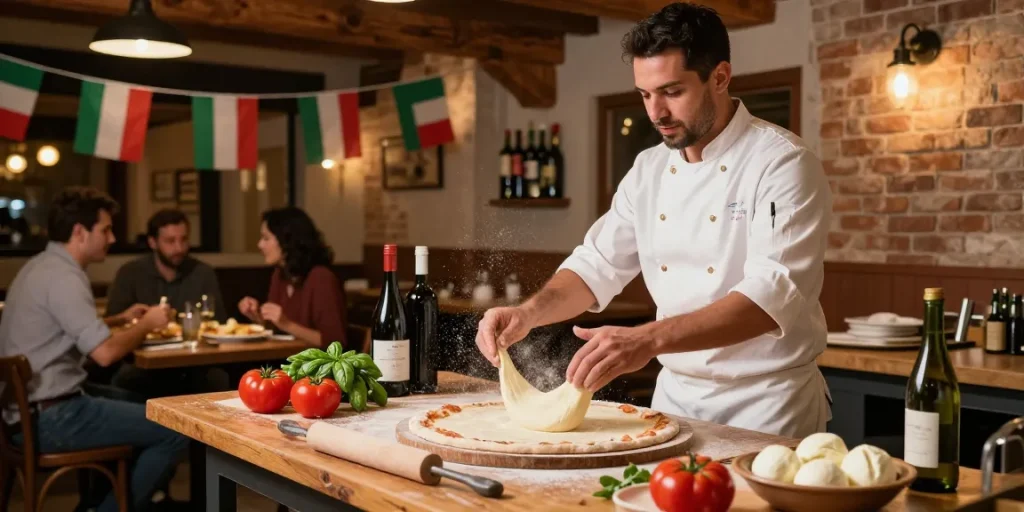

Introduction to pg soft in Italian Cuisine
Italian cuisine is renowned for its rich flavors, fresh ingredients, and cultural significance. It is not just about food; it’s an experience, a celebration of life, and a gathering of family and friends around the table. As a cornerstone of Italian culinary traditions, pizzerias like pg soft exemplify this vibrant culture, offering a variety of authentic dishes that go beyond just pizza. By understanding the nuances of Italian dining, anyone can appreciate and enjoy what this extraordinary cuisine has to offer.
Understanding the Essence of Italian Dining
At its core, Italian dining is about simplicity and quality. Meals are structured, typically beginning with antipasti, progressing through pasta, and culminating with a main course. Each dish should highlight the freshness of the ingredients used, reflecting the season and regional specialties. This idea permeates through the entire dining experience, making each meal a journey through Italy’s culinary landscape.
The Role of Fresh Ingredients in Pizzerias
Fresh ingredients are the lifeblood of any pizzeria, and in Italy, there is a strong emphasis on using local and seasonal products. The tomatoes, mozzarella, and basil that go into a traditional Margherita pizza are often sourced from nearby farms. This connection to the land not only enhances the flavor of the dishes but also promotes sustainability within the local economy.
Common Misconceptions About Italian Cuisine
Many people associate Italian food solely with pizza and pasta, but this is just the tip of the iceberg. Italian cuisine is incredibly diverse, with each region offering its own specialties. From the seafood of Sicily to the rich ragu of Bologna, there is a world of flavors and ingredients waiting to be discovered. Understanding these nuances can greatly enhance one’s appreciation of the cuisine.
Common Pitfalls in Pizza Making
Creating authentic Italian pizza is an art form that requires skill and attention to detail. However, many aspiring chefs fall into common pitfalls that can detract from the final product.
Overcomplicating Pizza Dough Recipes
One of the most significant mistakes is overcomplicating the dough-making process. Traditional Italian pizza dough is incredibly simple, requiring just flour, water, salt, and yeast. Complicated recipes can lead to excessive handling and kneading, resulting in tough crusts. The focus should be on the quality of the ingredients and giving the dough ample time to proof for optimal flavor and texture.
Ignoring the Importance of Quality Ingredients
Another critical error is the use of low-quality ingredients. For instance, using pre-shredded cheese can yield a greasy, unappealing result. Instead, using fresh, high-quality mozzarella and crushed tomatoes can elevate your pizza to new heights.
Neglecting Cooking Techniques
Cooking techniques also play a significant role in pizza preparation. Many home cooks neglect the importance of a properly preheated oven or a pizza stone, which can result in a soggy crust. Employing traditional methods, such as using a wood-fired oven, can create the perfect pizza crust, enhancing both flavor and texture.
Must-Know Best Practices for Authentic Pizza
When aiming for authenticity in pizza-making, following best practices can make all the difference in achieving that perfect pie.
Using Traditional Cooking Methods
Opting for traditional cooking methods can set your pizza apart. Wood-fired ovens are a staple in Italian pizzerias, giving pizzas a unique char and flavor that is difficult to replicate with conventional ovens. If you have access to one, take advantage of it to get that authentic taste.
Balancing Flavors for Maximum Impact
Balancing flavors is essential when crafting a delicious pizza. Each component, from the sauce to the toppings, should complement each other without overpowering one another. A well-seasoned tomato sauce, complemented by fresh basil and a sprinkle of sea salt, can create a harmonious flavor profile that is simply irresistible.
Seasonal Ingredients for Freshness
Using seasonal ingredients not only supports local farmers but also enhances the freshness and flavor of your pizza. During summer months, ripe tomatoes and fragrant basil can transform a simple margherita pizza into a seasonal delight. Winter might call for roasted vegetables or hearty meats, allowing for creativity in pizza toppings.
Effective Restaurant Management Strategies
Running a successful pizzeria goes beyond just serving great food. Effective management strategies are crucial for ensuring long-term success in a competitive market.
Creating a Unique Dining Experience
Creating a unique dining experience can help set your pizzeria apart from the competition. This can include everything from the ambiance of the restaurant to the service provided by the staff. Engaging decor and thoughtful table settings can enhance the overall dining experience, making customers more likely to return.
Engaging with Customers Effectively
Customer engagement is essential for building loyalty. This can be achieved through social media interaction, loyalty programs, and direct feedback systems. Acknowledging customer preferences and responding to reviews can create a community around your business, fostering trust and repeat visits.
Leveraging Social Media for Promotion
In today’s digital age, leveraging social media is vital for any restaurant, including pizzerias. Regular updates on new menu items, special promotions, and behind-the-scenes content can help build a loyal following. High-quality photos of your dishes can entice potential customers and encourage them to visit.
Future Trends in the Italian Dining Scene (2026 and Beyond)
The landscape of Italian cuisine continues to evolve. As we look ahead, several trends are poised to shape the future of dining in pizzerias.
Emerging Influences on Italian Cuisine
As globalization increases, the fusion of flavors and techniques from different cultures is becoming more prevalent. Many pizzerias are experimenting with unique toppings and sauces, creating innovative dishes that retain the essence of Italian cooking while embracing diversity.
Incorporating Technology in Ordering and Serving
Technological advancements are changing how customers interact with restaurants. Online ordering, contactless payment options, and mobile apps are becoming standard. Pizzerias that adopt these technologies can streamline operations and enhance customer convenience.
Environmental Sustainability Practices in Pizzerias
Environmental sustainability is becoming increasingly important in the food industry. Many pizzerias are seeking ways to reduce their carbon footprint by sourcing local ingredients, minimizing waste, and implementing eco-friendly packaging solutions. Adopting these practices can not only appeal to environmentally conscious consumers but also position your pizzeria as a responsible business.
What Makes Pizzeria Madera Stand Out?
Pizzeria Madera distinguishes itself through its commitment to authentic Italian flavors and family-oriented service. Since its establishment in 2019, it has prioritized high-quality, fresh ingredients sourced from reputable suppliers. The atmosphere captures the essence of Italy, making every visit feel like a mini-vacation.
How to Adapt to Changes in Customer Preferences?
Staying attuned to changes in customer preferences is crucial for any pizzeria. This means regularly updating the menu to reflect seasonal ingredients and emerging food trends while still holding onto signature dishes that define the brand. Understanding dietary restrictions and preferences, such as gluten-free or vegan options, can also expand your customer base.
Expanding Your Menu Offerings
Expanding your menu offerings can include introducing new dishes, beverages, and even desserts. Customers appreciate variety, and offering unique items can encourage them to return and try something new. Regularly hosting themed nights or specials can create excitement and draw in new customers.